Bubbles: Warning Signs on Garage Floors
Find out what bubbles mean for your epoxy garage floor and how to fix them before they ruin the coating.
Bubbles in your epoxy garage floor almost always mean moisture got underneath the coating before the resin could cure. Fixing it requires sealing the concrete base and reapplying the system.
- Typical range
- Varies by system and site
- First step
- Measure the space and confirm the load
- Professional help
- Recommended for structural or electrical work
Some links on this page are affiliate links.If you buy through them we may earn a commission at no extra cost to you. We do not accept payment for rankings. Read the full disclosure.
Bubbles: Warning Signs
Bubbles in your epoxy garage floor are not just an aesthetic issue; they are a clear warning sign that something is wrong beneath the surface. When air or moisture becomes trapped under the coating before it fully cures, the resulting pressure forces the epoxy to expand and blister. Ignoring this warning sign can lead to complete coating failure, exposing raw concrete and creating a safety hazard. Understanding what these bubbles mean and how to address them is critical for any garage owner.
Why Bubbles Happen: Trapped Air and Moisture
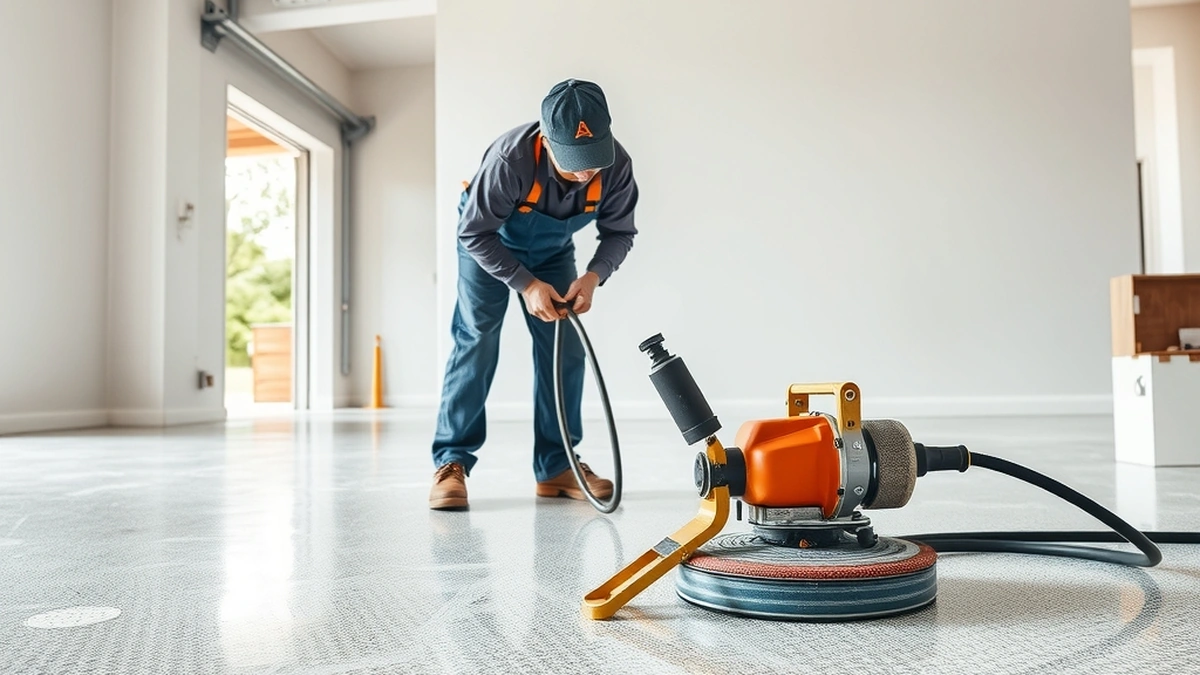
The primary cause of bubbles in garage floor coatings is the presence of moisture or air trapped beneath the uncured epoxy. Since epoxy requires a perfectly dry, clean, and properly prepared substrate to bond correctly, any deviation from this baseline creates problems. Trapped air often results from improper mixing ratios or inadequate surface preparation, while trapped moisture typically stems from high ambient humidity or damp concrete. A properly prepared concrete slab can support hundreds of pounds per square foot without flexing, but damp or unprepared concrete cannot. Concrete grinding, which costs $1 to $3 per square foot, removes the top layer of laitance and ensures a flat, dust-free surface for the epoxy to grip. To put this into perspective, consider the cost implications of ignoring moisture: moisture mitigation alone runs an estimated $2 to $5 per square foot. For a typical 600 square foot garage, that means mitigation could cost between $1,200 and $3,000 before even applying any coating product.
Here is a numbered list of the most common causes of trapped air and moisture:
- Inadequate concrete prep: Failing to grind or scarify the concrete leaves loose aggregate that can shift and trap air.
- High humidity levels: Applying epoxy in a poorly ventilated garage traps moisture against the uncured surface.
- Improper mixing ratios: Pouring too much resin or hardener leaves voids that fill with air instead of bonding with the substrate.
- Oil or grease contamination: Residues on the concrete prevent proper adhesion, leading to blistering as the coating tries to grip a dirty surface.
Identifying the Warning Signs Early
Detecting bubbles early allows you to save time and money by addressing the root cause before the damage spreads. Warning signs include small, circular blisters rising just millimeters above the surrounding floor, or subtle areas where the coating feels slightly bumpy to the touch. You might also notice a faint, milky haze on the surface, which indicates trapped moisture vaporizing just below the top layer. Catching these early indicators is essential, because once the epoxy fully cures, the structural damage is locked in and significantly more expensive to fix.
Compare the early warning signs with the stages of failure using this table:
| Warning Sign | Stage of Failure |
|---|---|
| Small blisters (under 1/8 inch) | Initial trapped air or moisture |
| Milky haze on surface | Trapped moisture vaporizing |
| Bumpy texture to the touch | Partial delamination beginning |
| Large blisters or peeling | Complete coating failure |
The Moisture Connection: Prep Over Product
At Epoxy Garage Floor Lab, our philosophy is simple: prep and moisture first, product second. This means the condition of your concrete dictates whether your chosen coating will perform. Bubbles are almost exclusively a prep problem, not a product problem. Even the highest quality metallic epoxy, which costs an estimated $10 to $20 per square foot, will bubble if applied over damp concrete. Conversely, a budget-friendly epoxy kit at $3 to $7 per square foot will perform well on properly sealed and dried concrete. Always prioritize testing your concrete’s moisture content before purchasing materials.
How Much Does Professional Bubble Repair Cost?
When bubbles appear, you have two paths: fix the moisture issue and repipe, or replace the entire coating. Professional epoxy installation costs an estimated $5 to $12 per square foot. If your existing coating is severely compromised by bubbles, a professional repair will likely require stripping the old layer, mitigating the moisture, and laying down a new system. For a standard 600 square foot garage, professional repair costs will range from an estimated $3,000 to $7,200. If you opt for a polyaspartic system instead, which costs $8 to $15 per square foot, you are looking at a similar range of $4,800 to $9,000 for a full replacement and repair job. These figures highlight why addressing bubbles immediately is far cheaper than starting over.
DIY vs. Professional Installation Risks
Many homeowners attempt to save money by doing their own epoxy garage floor installation, which typically costs an estimated $3 to $7 per square foot. However, DIY projects carry a higher risk of trapping air or moisture, leading to the exact bubbles you are trying to avoid. Professional installers bring equipment like calibrated mixers and moisture meters to the site, ensuring the substrate is completely dry before the resin is laid. Opting for professional installation at $5 to $12 per square foot provides the expertise necessary to prevent these common pitfalls. You can learn more about the cost differences on our how much does epoxy garage floor cost page.
Fixing Bubbles: A Step-by-Step Approach
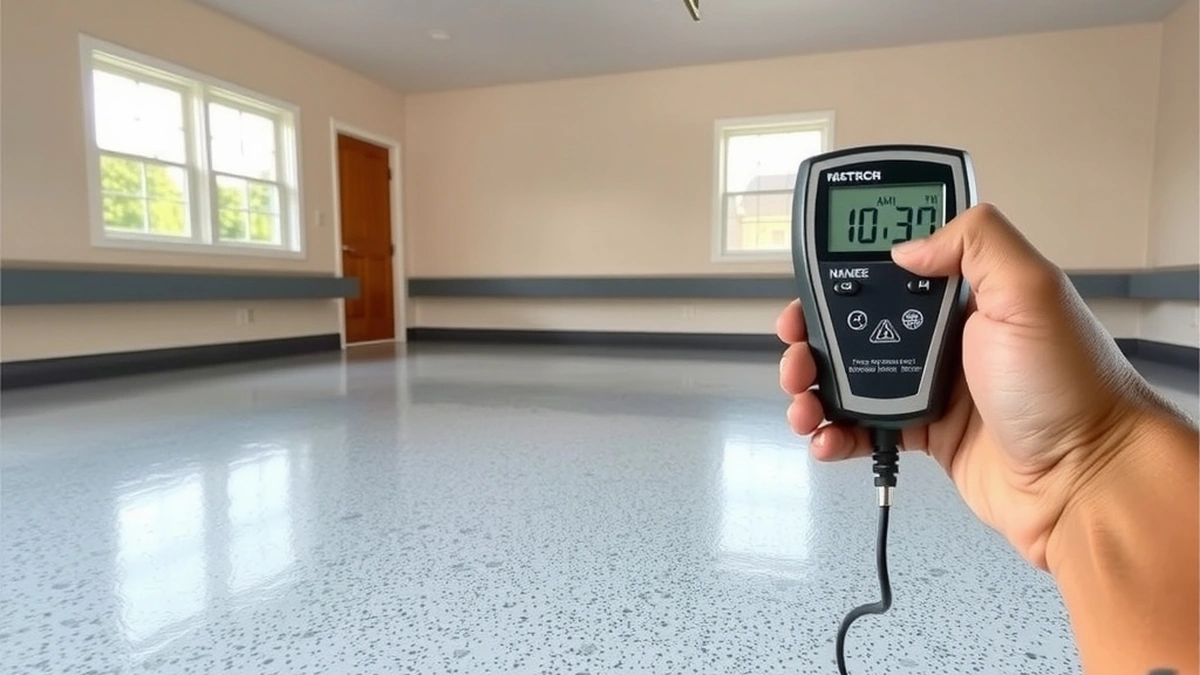
If you discover bubbles on your floor, do not panic, but act quickly. First, assess the extent of the damage. If it is localized, you may be able to remove the bubbled layer and reapply. Second, test the concrete for moisture using a pin type moisture meter. If readings are too high, you must use a moisture mitigation system, which costs an estimated $2 to $5 per square foot. Once the concrete is dry, clean the area thoroughly, apply a primer if necessary, and lay down a fresh, properly mixed coat of epoxy. For extensive bubbling across the entire floor, it is best to consult a professional who can evaluate the substrate and execute a full remediation. Visit our epoxy garage floor repair page for detailed guidance on the removal process.
Preventing Bubbles Long-Term
Prevention is always better than cure. Maintain your garage floor by keeping the space well-ventilated during and after installation. Avoid washing the floor with excessively cold water, as thermal shock can introduce tiny cracks that trap air. Regularly inspect your floor for any new warning signs, such as subtle changes in texture or faint milky spots. By prioritizing concrete prep and moisture control, you can avoid the $2 to $5 per square foot cost of mitigation and keep your floor looking pristine. For routine upkeep and to understand the full scope of what your floor needs, explore our epoxy garage floor maintenance guide.
Frequently asked questions
What causes bubbles under epoxy garage floors?
Moisture gets trapped under the uncured coating, preventing proper adhesion and causing the surface to blister.
How can I tell if my garage floor has bubbles?
Look for small air pockets rising to the surface. Bubbles are often visible as bumps or raised areas in the coating.
Can I fix bubbles myself after they appear?
You can attempt repair by removing the damaged layer and reapplying, but underlying moisture issues must be resolved first.
Does moisture cause bubbles during DIY installation?
Yes. Installing over damp concrete without mitigation guarantees trapped moisture will create bubbles during curing.
How much does professional bubble repair cost?
Professional repair typically costs $2-5 per square foot for moisture mitigation plus $5-12 per square foot for the epoxy.
Will bubbles happen with metallic epoxy coatings?
Metallic epoxies can still trap air if prep is skipped, though they cure slightly faster. Always check concrete readiness first.
Sources
Some links are affiliate links.If you buy through them we may earn a commission at no extra cost to you. We do not accept payment for rankings. Read the full disclosure.