
Problems guides
What goes wrong for epoxy garage floor.
Symptoms first, quotes second
Most expensive epoxy garage floor mistakes start with a symptom described to a salesperson. The table maps the common symptoms to their usual cause — the diagnosis a contractor should confirm before quoting.
| Symptom | Usual cause |
|---|---|
| Hot tire pickup | Under-cured or thin topcoat |
| Peeling | Moisture or poor prep |
| Bubbles | Outgassing from concrete |
| Yellowing | UV exposure on epoxy |
| Cracks telegraphing | Slab movement, not the coating |
What to document
- Photographs with something for scale, taken at the same angle over time.
- Dates: when it started, whether it changes with weather.
- Water: where it goes, where it pools, what it damages.
- Previous work: who did it, when, and with what material.
What not to do first
Do not accept a repair scope before the cause is named. Patching a symptom is how the same problem returns next season with a bigger invoice. The methods hub explains what each fix addresses; the cost hub shows what it should cost.
When is it an emergency?
When water is entering the structure, when something is structurally unstable, or when a safety system has failed. Everything else can wait for a second opinion.
Should I get an independent inspection?
For anything structural or over about $5,000, yes. A few hundred dollars for an independent report is cheaper than a wrong scope.
All problems guides
Bubbles: how to prevent it
How to prevent epoxy bubbles: thin coats, correct rolling, slab moisture control, priming and the temperature window that stops solvent pop.
Read the guide →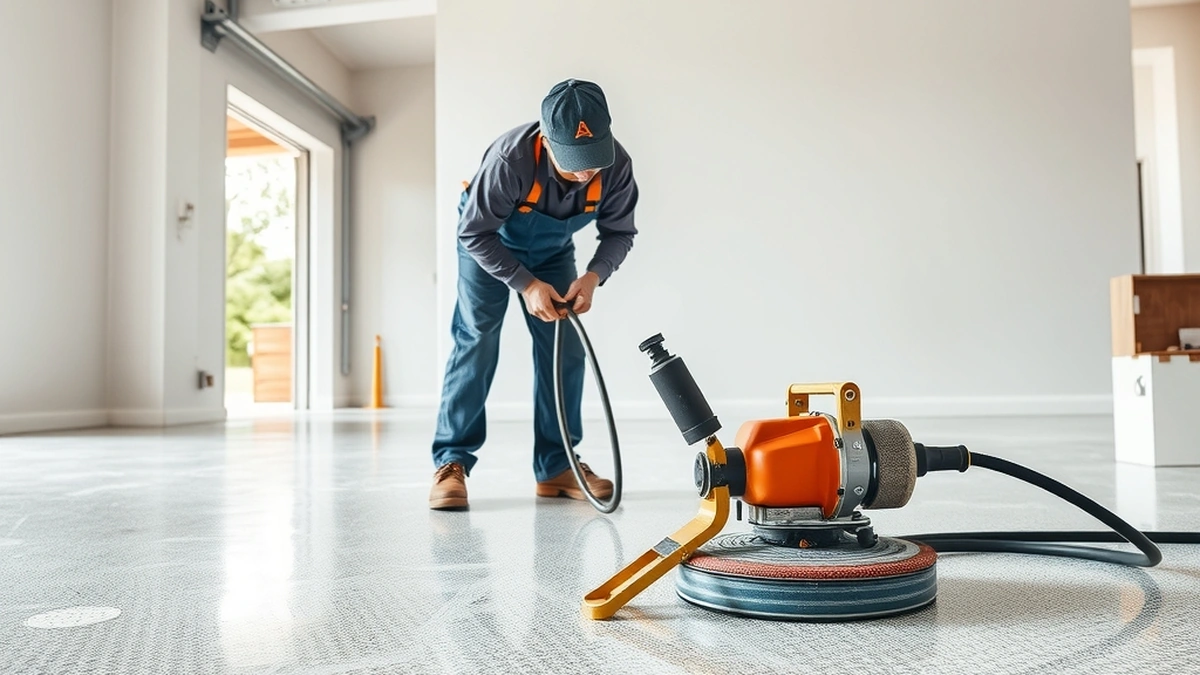
Bubbles on Epoxy Garage Floors: Repair Options
Fixing bubbles in your epoxy garage floor requires understanding the cause and choosing the right repair method.
Read the guide →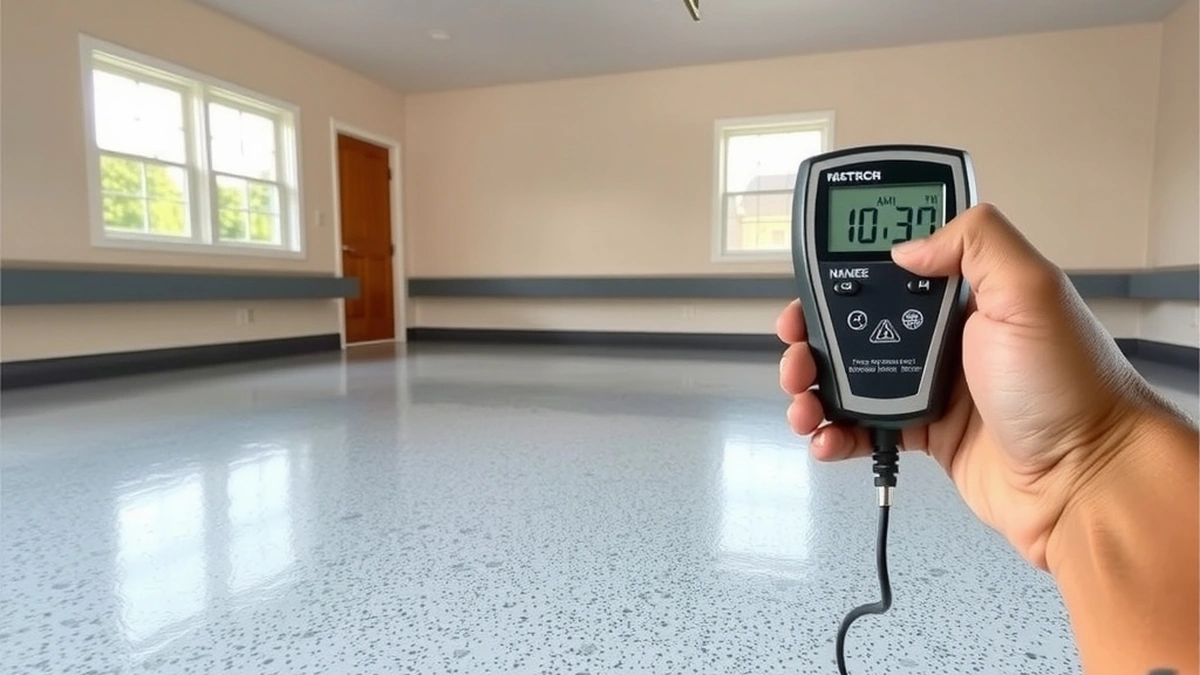
Bubbles: Warning Signs on Garage Floors
Find out what bubbles mean for your epoxy garage floor and how to fix them before they ruin the coating.
Read the guide →
Cracks telegraphing: how to prevent it
How to stop slab cracks showing through epoxy: crack repair before coating, joint detailing, membrane use and the cure and mix rules that limit shrinkage.
Read the guide →
Cracks telegraphing: repair options
Why slab cracks show through epoxy and what actually fixes them: routing and filling, crack isolation, and the cases where a recoat alone will fail.
Read the guide →
Cracks telegraphing: warning signs
How to spot cracks telegraphing through epoxy early: the line, the ridge, the hollow tap, and how to tell slab movement from a coating defect.
Read the guide →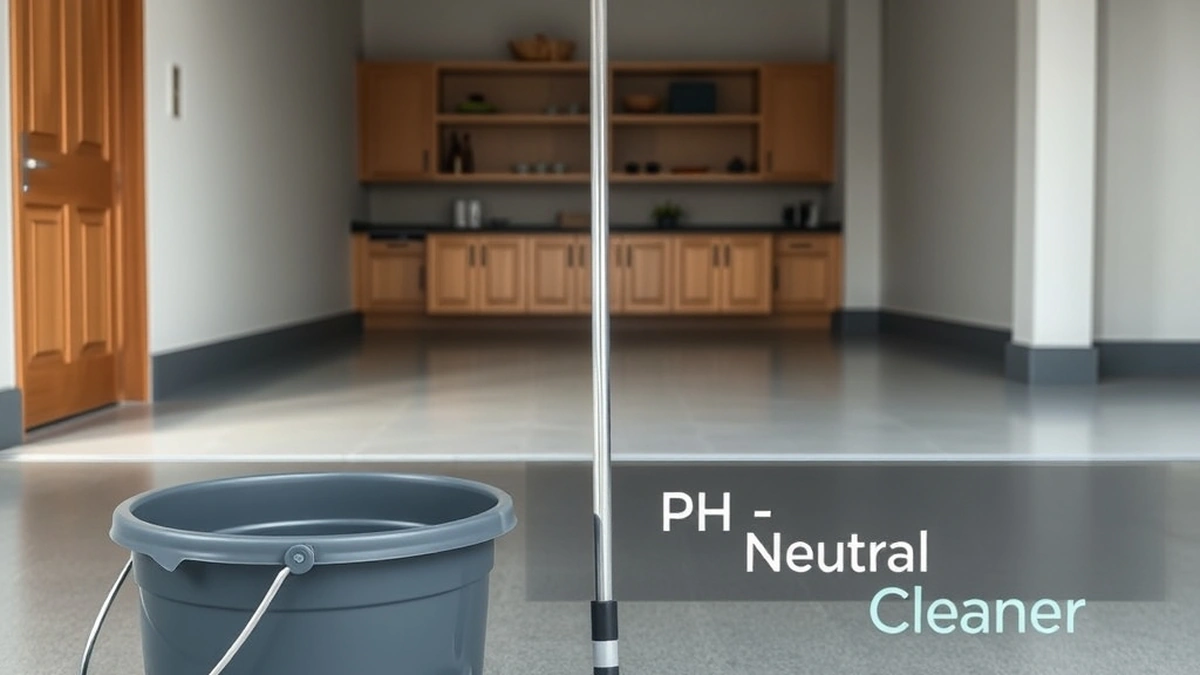
Epoxy maintenance: the yearly routine
Epoxy maintenance is sweeping, pH-neutral washing and a clear-coat refresh before wear reaches the base. A season-by-season routine that adds years.
Read the guide →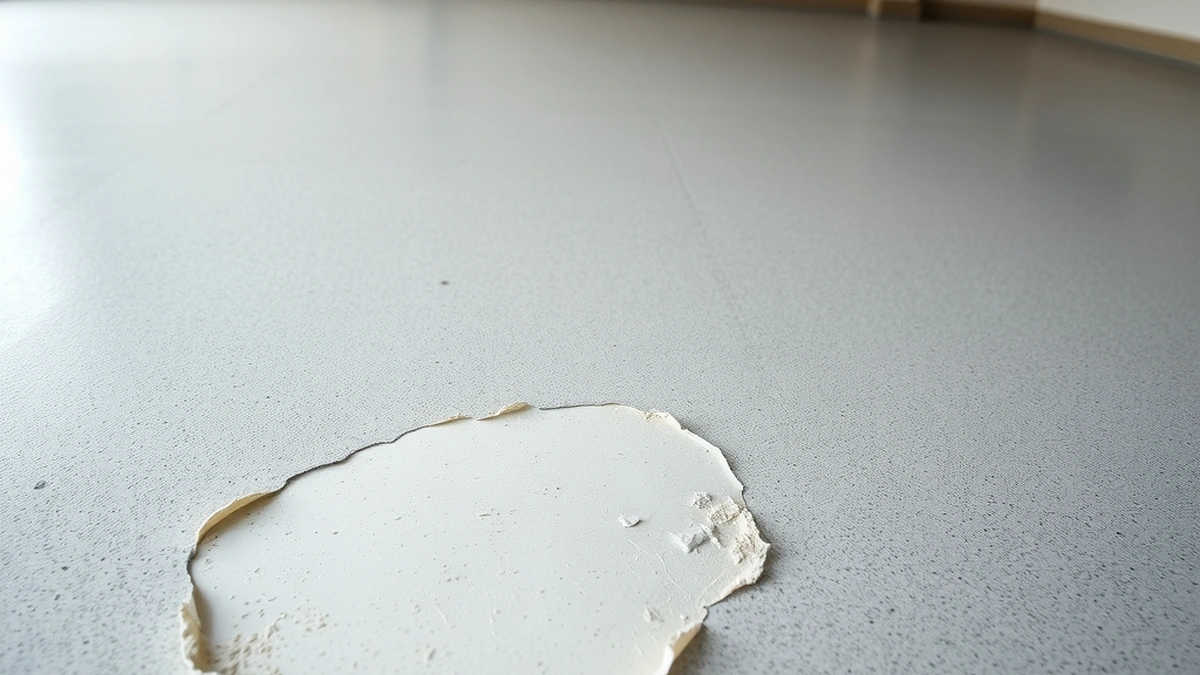
Epoxy problems: causes and fixes
Peeling, bubbles, hot tire pickup and yellowing are the four epoxy problems owners report most. What causes each one and what the repair actually costs.
Read the guide →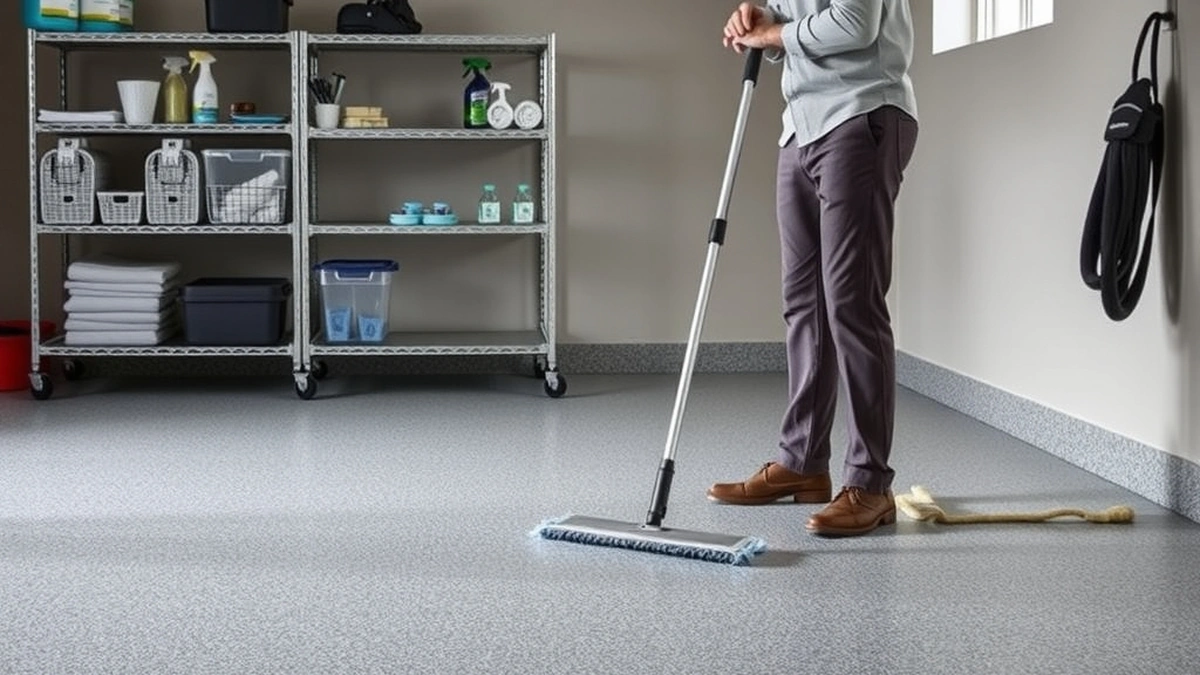
Flake broadcast maintenance
How to clean, protect and recoat a flake broadcast floor, with a realistic schedule and the products that damage the topcoat.
Read the guide →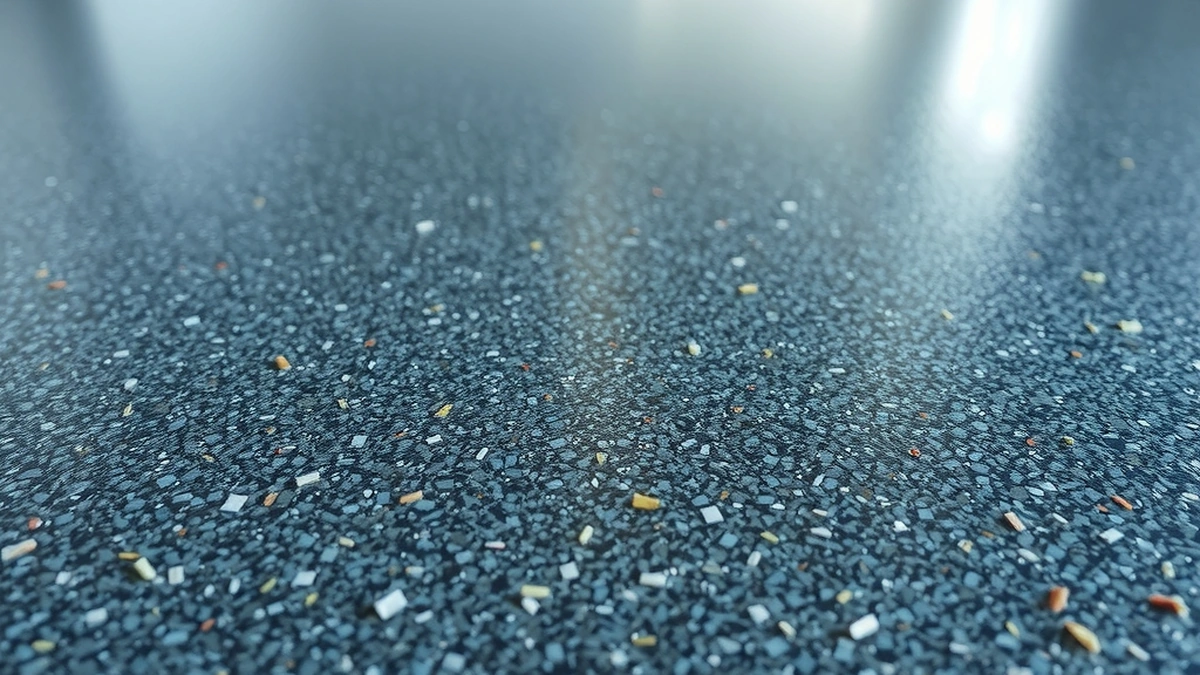
Flake Broadcast Guide
Learn why flakes scatter across epoxy garage floors and how to identify, repair, and prevent flake broadcast problems before they spread.
Read the guide →
Hot tire pickup: how to prevent it
How to prevent hot tire pickup before the coating goes down: topcoat chemistry, full cure, moisture control and the driving habits that lift a film.
Read the guide →
Hot tire pickup: repair options
Why hot tires lift epoxy and what actually fixes it: spot repair, recoating with a urethane topcoat, or grinding back to concrete, with cure times.
Read the guide →
Hot tire pickup: warning signs
The early signs of hot tire pickup, from dull tire-shaped patches to film transfer on the tread, and how to tell them from stains and scuffs.
Read the guide →
Metallic pigment maintenance
How to clean and protect a metallic epoxy floor so the pattern stays visible: neutral cleaners, gloss care, scratch repair and when to recoat.
Read the guide →
Metallic pigment problems
The defects that show up on metallic epoxy floors: fish eyes, seams, cloudiness, blisters and color separation, with causes and what can be fixed.
Read the guide →
Peeling: how to prevent it
The four causes of peeling epoxy and the prep steps that prevent them: grinding, moisture testing, recoat windows and compatible products.
Read the guide →
Peeling: repair options
Why epoxy peels, how to tell a topcoat peel from a base coat failure, and the three repair routes with the prep each one requires.
Read the guide →
Peeling: warning signs
How to spot peeling epoxy early: lifted edges, hollow sounds, white bloom at the perimeter and the difference between peeling, flaking and blistering.
Read the guide →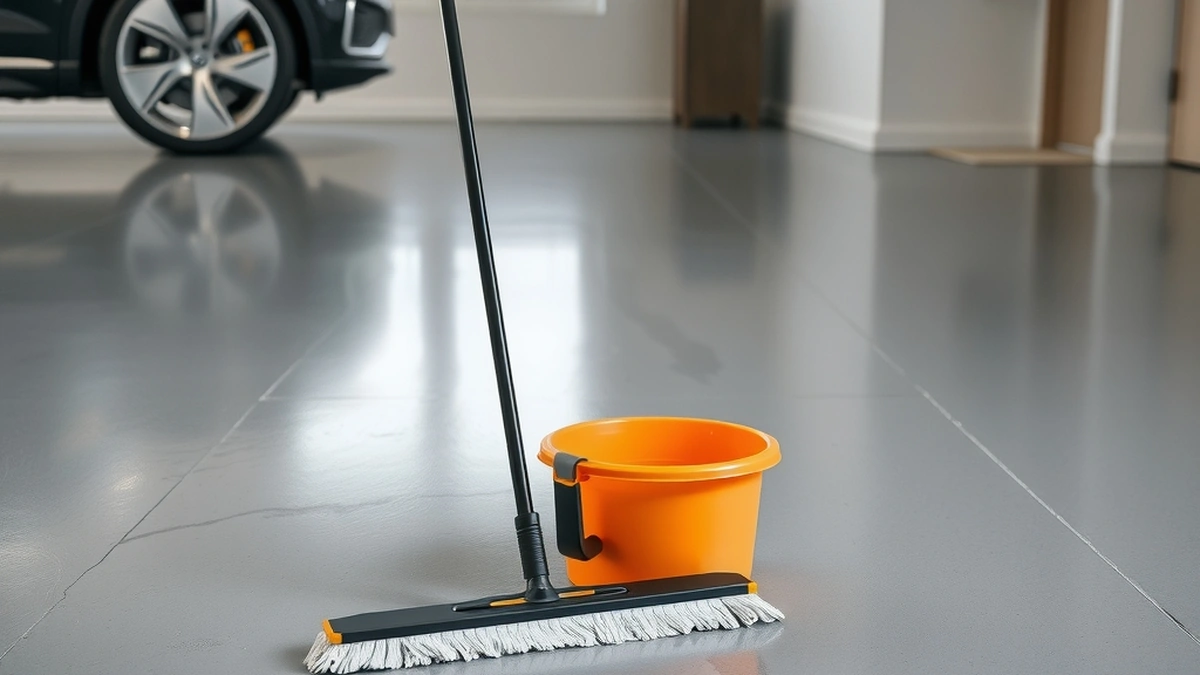
Polyaspartic maintenance: a cleaning routine
Polyaspartic maintenance is simple but not optional: sweep grit, wash with a pH-neutral cleaner, manage salt in winter and recoat before the film wears through.
Read the guide →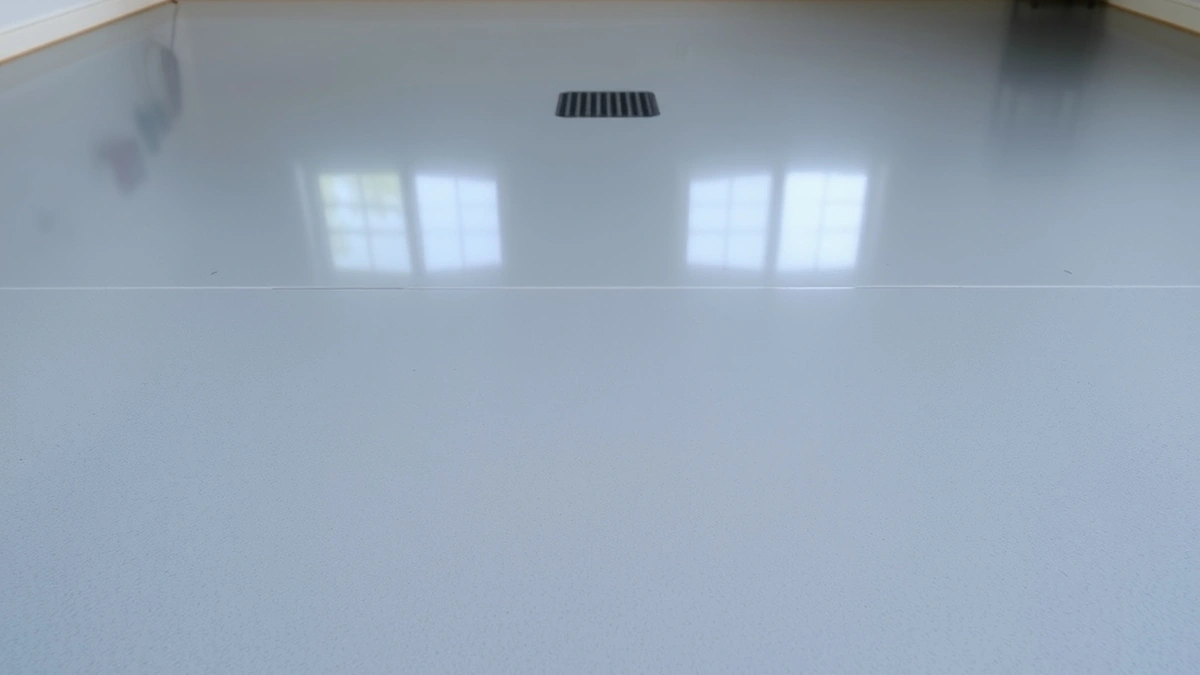
Polyaspartic problems: what fails and why
Most polyaspartic problems are prep and timing failures: blushing, bubbles, lap lines and hot tire pickup. Diagnose the cause before you blame the resin.
Read the guide →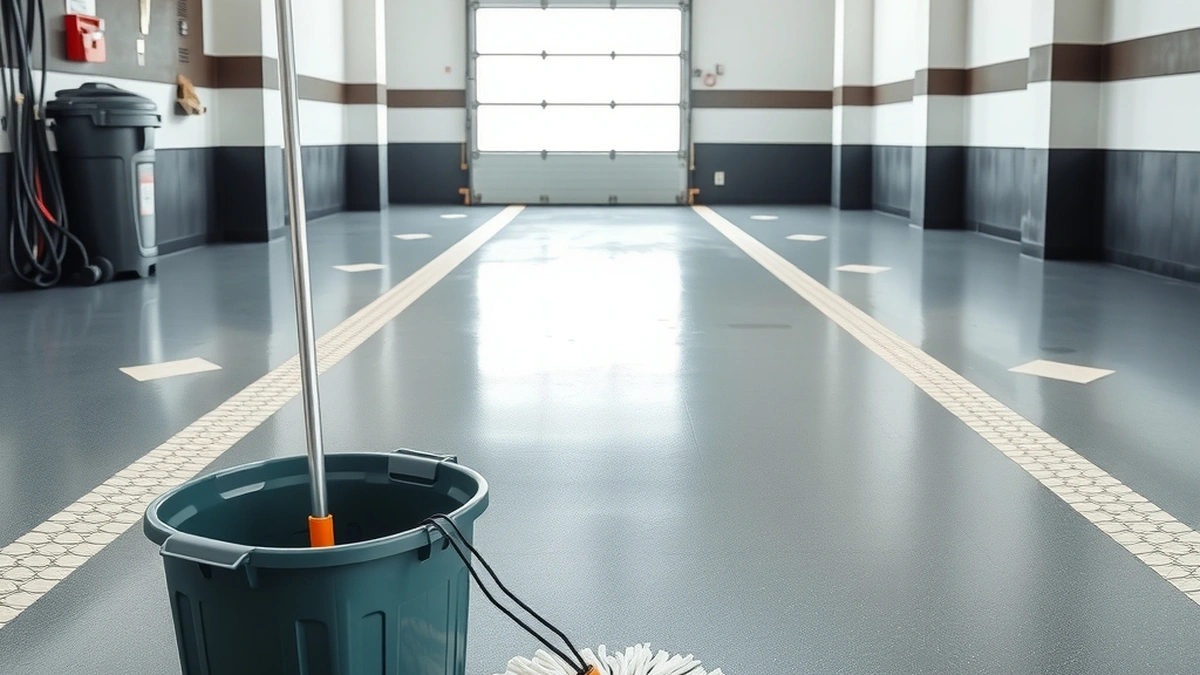
Polyurethane maintenance for garage floors
Polyurethane maintenance is a sweep-and-mop routine with two hard rules: no strong solvents, and no road salt left to sit. Recoat before the film wears thin.
Read the guide →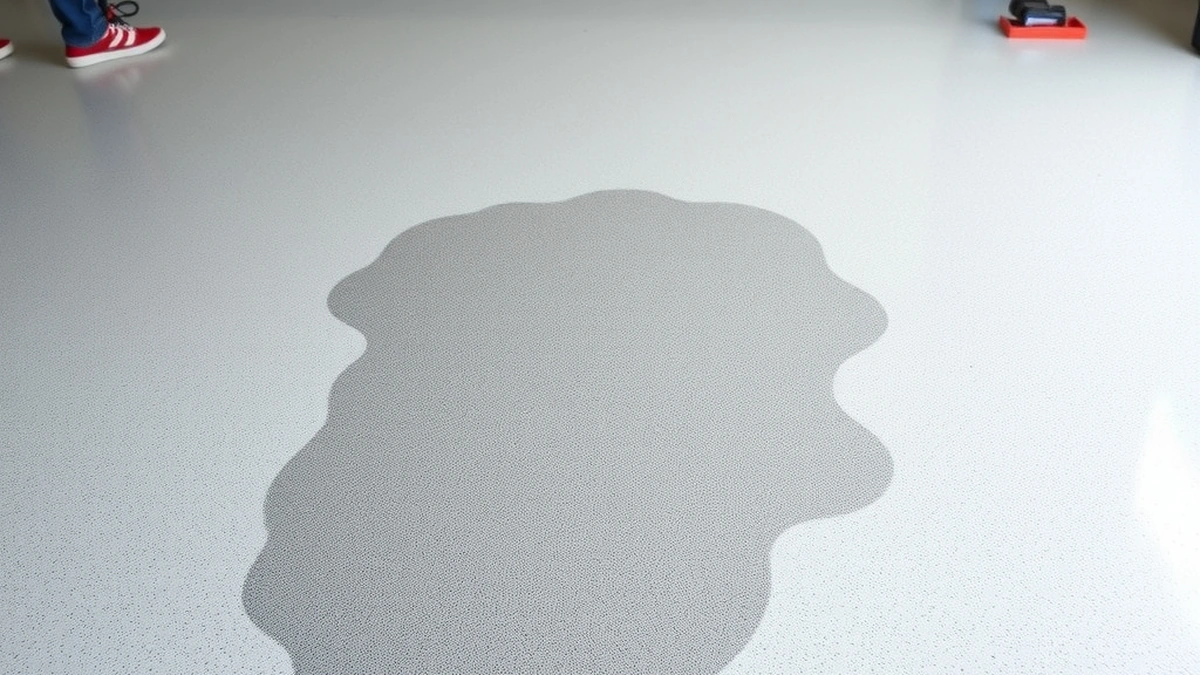
Polyurethane problems on garage floors
Polyurethane problems split by chemistry: moisture-cured films foam and stay tacky, two-component films haze, wrinkle or peel. Match the symptom to the cause.
Read the guide →
Yellowing: how to prevent it
How to prevent epoxy yellowing: aliphatic topcoats, UV exposure, pigment choice and the application details that decide whether a floor stays clear.
Read the guide →
Yellowing: repair options
Why epoxy yellows and what actually fixes it: a urethane recoat, a pigmented recoat, or full replacement, with the cases where nothing works.
Read the guide →
Yellowing: warning signs
How to tell epoxy yellowing from dirt, rust and topcoat wear: the patch test, the sun strip check and the color comparisons that confirm UV ambering.
Read the guide →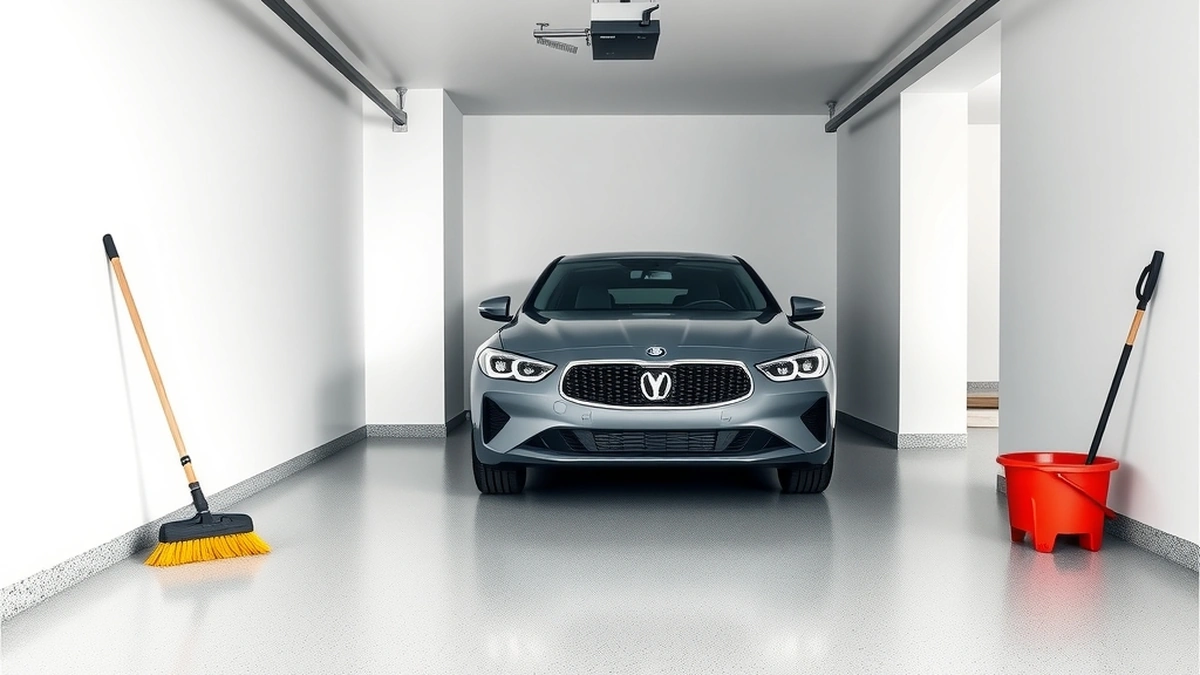
Epoxy Garage Floor Maintenance Schedule: What to Do
A practical maintenance schedule for epoxy garage floors, including daily, weekly, seasonal, and yearly tasks with cost estimates.
Read the guide →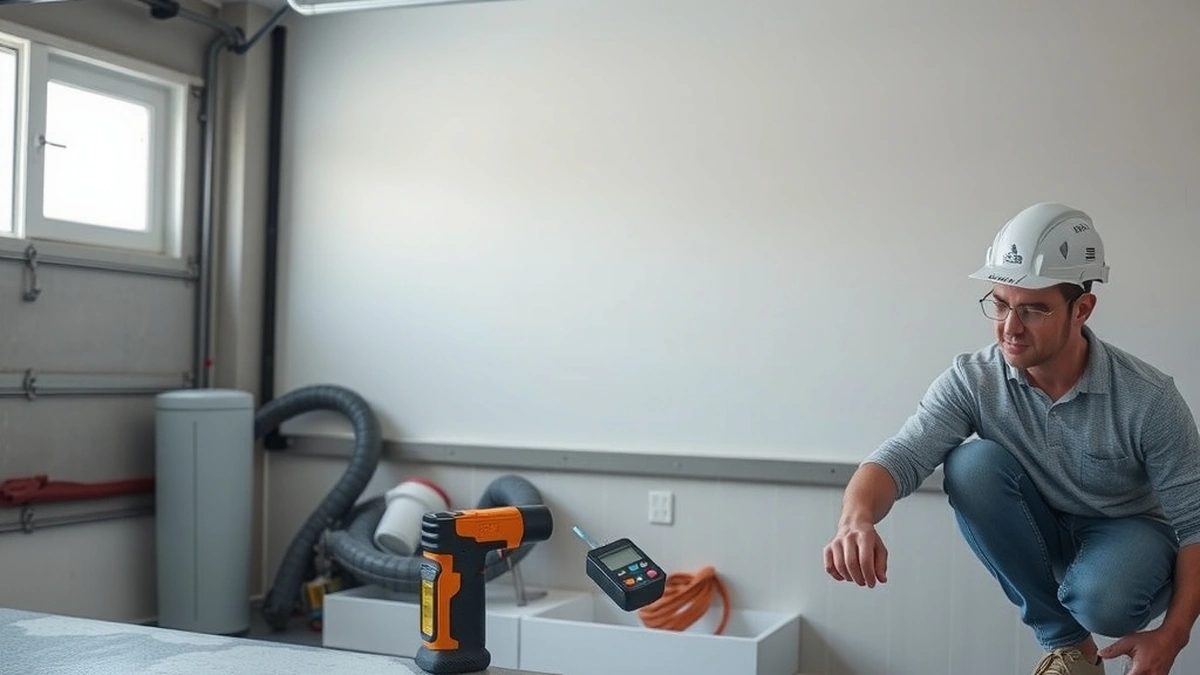
Epoxy Garage Floor Repair: When It Is Worth It
Learn when to repair vs. replace your epoxy garage floor, with cost estimates and prep-first guidance.
Read the guide →