Polyaspartic vs Polyurethane
Two wear layers compared: polyaspartic cures in hours and stays clear, polyurethane is more flexible and forgiving. Where each belongs on a floor.
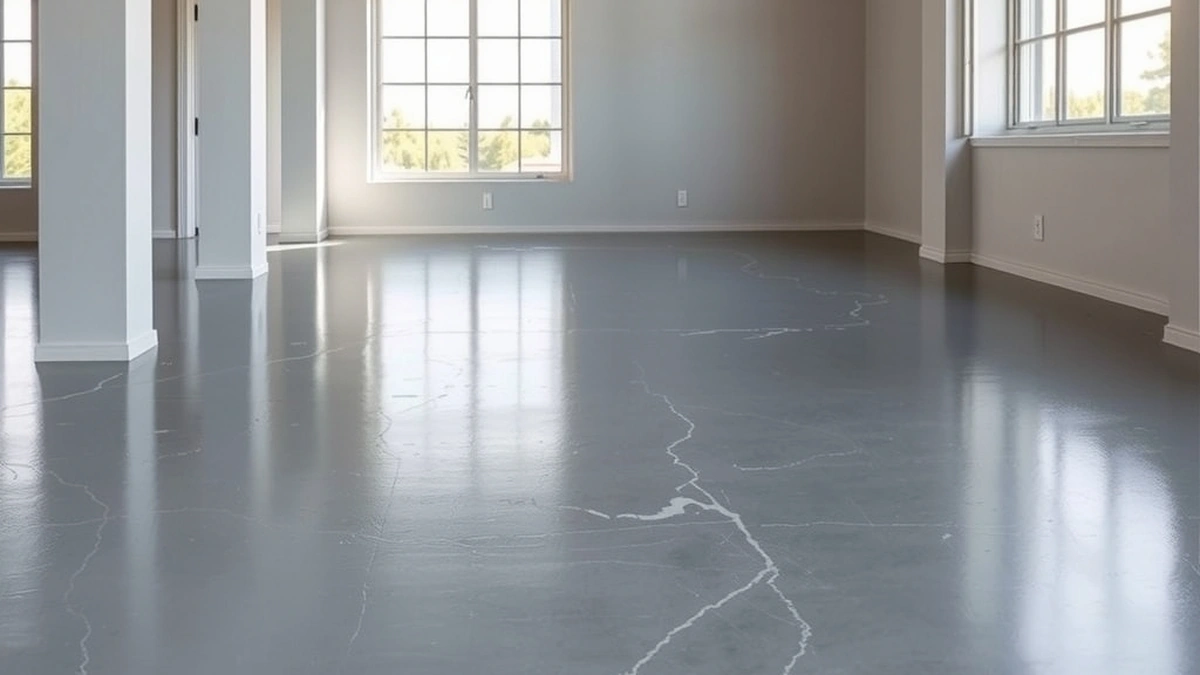
Both are clear wear layers over an epoxy base. Polyaspartic cures in 1 to 4 hours and allows a one-day installation; polyurethane cures in 12 to 24 hours but is more flexible and more forgiving to apply. Polyaspartic systems run $8 to $15 per square foot.
- Polyaspartic cure
- 1 - 4 hours
- Polyurethane cure
- 12 - 24 hours
- Polyaspartic system
- $8 - $15 per square foot
- Best flexibility
- Polyurethane
Some links on this page are affiliate links.If you buy through them we may earn a commission at no extra cost to you. We do not accept payment for rankings. Read the full disclosure.
Polyaspartic and polyurethane are both clear wear layers applied over an epoxy base, and both resist UV and hot tires far better than a standard epoxy clear. The practical difference is speed against forgiveness: polyaspartic cures in hours and enables a one-day floor, while polyurethane gives the installer a longer working window and more flexibility in the film.
The two chemistries in plain terms
Polyaspartic is a polyurea-urethane hybrid. Its reaction is fast, its pot life is short, and it reaches a hard film in a few hours. That speed is why it is used in one-day garage floor systems.
Polyurethane is a urethane polymer that cures more slowly, typically over 12 to 24 hours. It stays workable longer, flows out better, and produces a slightly more flexible film.
Both are aliphatic in the grades used for garage floors, which is what keeps them clear under UV. An aromatic version of either will amber.
Head-to-head
| Trait | Polyaspartic | Polyurethane |
|---|---|---|
| Pot life | 10 - 20 minutes | 30 - 60 minutes |
| Foot traffic | 4 - 6 hours | 12 - 24 hours |
| Vehicle traffic | About 24 hours | 48 - 72 hours |
| Flexibility | Moderate | Higher |
| UV stability | High | High (aliphatic) |
| Hot tire resistance | High | High |
| Application forgiveness | Low | Moderate |
| System cost | $8 - $15 / sq ft | Upper part of $5 - $12 / sq ft |
The pot life row explains most of the practical difference. A polyaspartic batch that sits while the installer finishes an edge can kick in the bucket. A polyurethane batch gives more margin.
There is a second-order effect: a fast product leaves less time to fix a mistake. A lap mark, a missed spot, or a sag at an edge has to be corrected within minutes, before the film sets. With a slower product, the installer can back-roll and blend.
Cost on 400 square feet
A polyaspartic system at $12 per square foot is 400 × $12 = $4,800. Grinding at $2 adds 400 × $2 = $800, for $5,600.
A polyurethane topcoat over an epoxy base usually prices within the upper part of the epoxy range, say $11 per square foot: 400 × $11 = $4,400, plus $800 grinding, for $5,200.
The difference on this floor is $400. It buys faster return to service, not a longer life. Both topcoats will need renewal in roughly the same window.
When polyaspartic is the right choice
The clearest case is a garage that cannot be out of service for three days. A business bay, a rental unit with a tight turnover, or a homeowner who needs the car back for a Monday commute all favor the fast system.
Cold weather is the second case. Polyaspartic cures at lower temperatures than standard epoxy, which extends the installation season into late fall.
High heat is the third. A fast-curing product is less exposed to dust and insects because the surface sets quickly, which matters in a shop with airborne debris.
When polyurethane is the right choice
A complex floor with alcoves, columns, and a stem wall is easier with a longer pot life. The installer can work around obstacles without mixing a new batch every ten minutes.
A slab that is slightly porous or uneven benefits from the better flow of a slower product. Polyurethane levels out more and hides minor application marks.
Budget is the third reason. Within the $5 to $12 epoxy range, a polyurethane topcoat is the less expensive way to get UV stability and hot tire resistance than a full polyaspartic system.
What both need underneath
Neither topcoat replaces the base coat or the preparation. Both need a ground slab at $1 to $3 per square foot, a moisture test, and crack repair before anything goes down.
Both also need a compatible epoxy base. A clear topcoat applied directly to concrete has nothing to bond to, and a topcoat applied over a contaminated base will fish-eye.
The topcoat is the last 3 to 6 mils of a system that is 20 mils thick. It protects the whole, but it cannot rescue the parts below it.
That is why a contractor who quotes a premium topcoat without quoting grinding and a moisture test is not offering an upgrade. The premium product is being applied to the same weak base, and it will fail on the same timeline.
Maintenance differences
Both are cleaned the same way: sweep, damp mop with a neutral cleaner, avoid abrasives and solvents. Both show scratches and dull lanes in the tire paths.
Polyaspartic has a slightly harder surface, which resists scuffing a little better. Polyurethane has slightly more flexibility, which resists cracking over minor slab movement a little better.
Those differences are small. The maintenance routine and the recoat interval are effectively the same.
The recoat decision is also the same. When the gloss goes flat in the traffic lanes, either topcoat can be renewed without removing the base, provided the surface is cleaned and scuffed first.
How to choose
- Decide how long the garage can be out of service.
- Check the application temperature and the forecast.
- Look at the floor layout: complex edges favor a longer pot life.
- Confirm both products are aliphatic.
- Price the full system, then compare.
- Confirm the cure time before vehicles return.
For the fast system in context, read epoxy vs polyaspartic. For the base-coat side, see epoxy vs polyurethane, and for the material cost lines, check the polyaspartic cost guide.
Frequently asked questions
Is polyaspartic better than polyurethane?
It is faster and equally UV stable, but it has a shorter pot life and less forgiveness during application. Polyurethane is more flexible and easier to work with on a complex floor.
Can polyaspartic go over polyurethane?
Yes, after the urethane is cleaned and scuffed. Check the manufacturer's compatibility chart, because a tie coat may be required.
Which one resists hot tires better?
Both resist hot tire pickup far better than a standard epoxy clear. Polyaspartic has the edge in heat resistance, and polyurethane has the edge in flexibility.
How long before traffic on each?
Polyaspartic can accept foot traffic in 4 to 6 hours and vehicles in about 24. Polyurethane typically needs 12 to 24 hours for foot traffic and 48 to 72 hours for vehicles.
Which is more expensive?
Polyaspartic systems price at $8 to $15 per square foot installed. Polyurethane topcoats sit within the upper part of the $5 to $12 epoxy range, so the two overlap.
Do both yellow in sunlight?
Aliphatic versions of both resist UV ambering. Aromatic versions of either will yellow, so the grade matters more than the chemistry family.
Sources
Some links are affiliate links.If you buy through them we may earn a commission at no extra cost to you. We do not accept payment for rankings. Read the full disclosure.