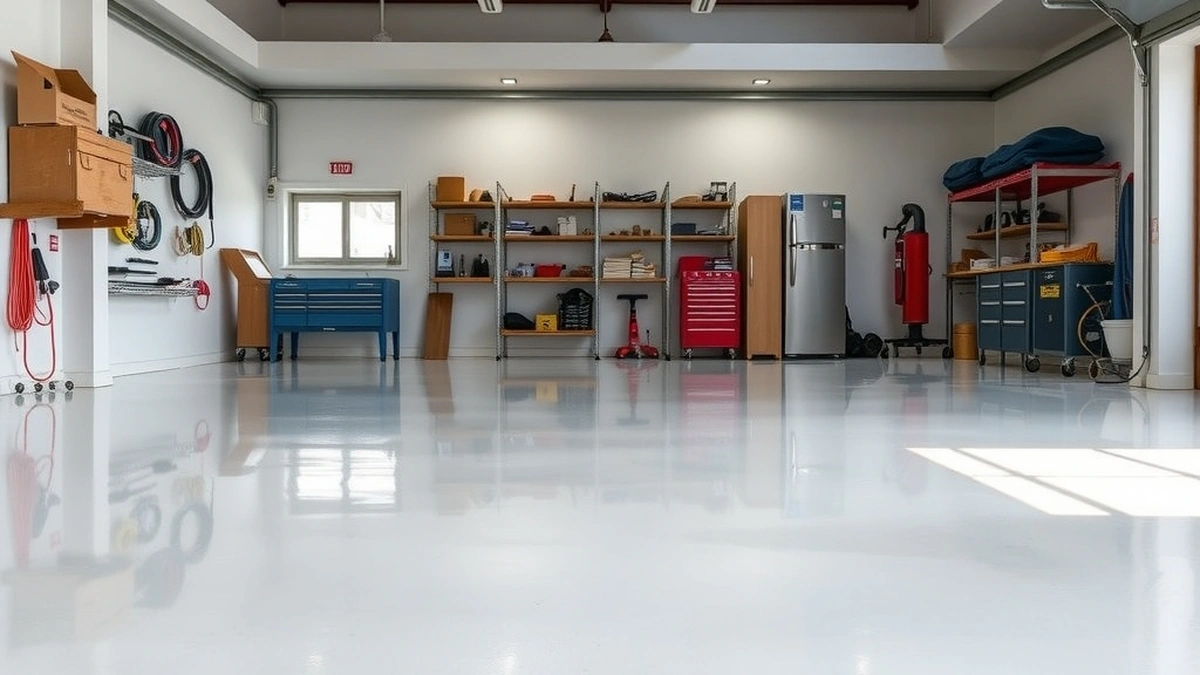
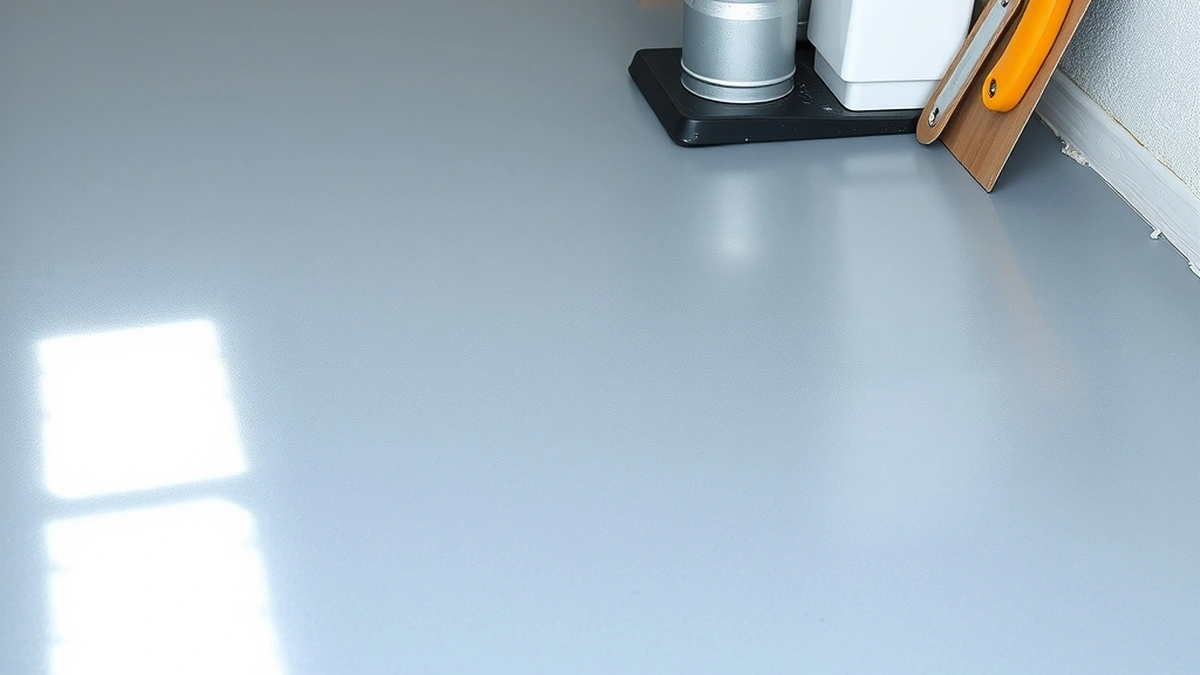
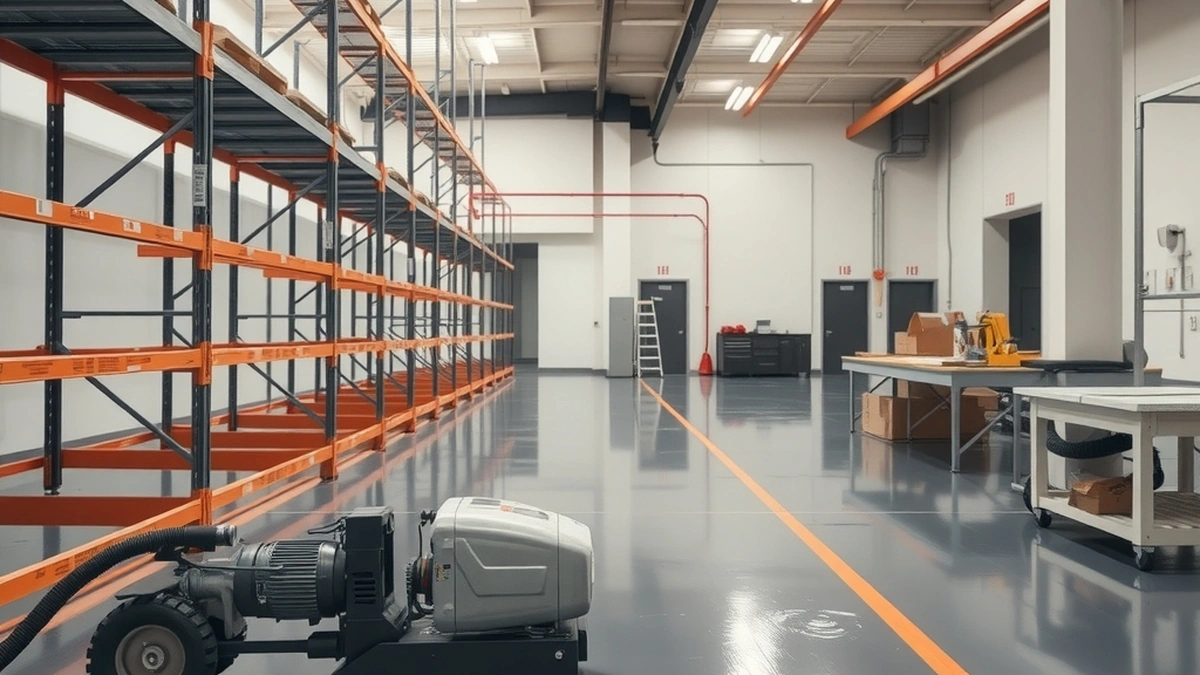
Yellowing: what a fix costs
Estimating the repair price for yellowed epoxy garage floors requires knowing prep, product choice, and labor.
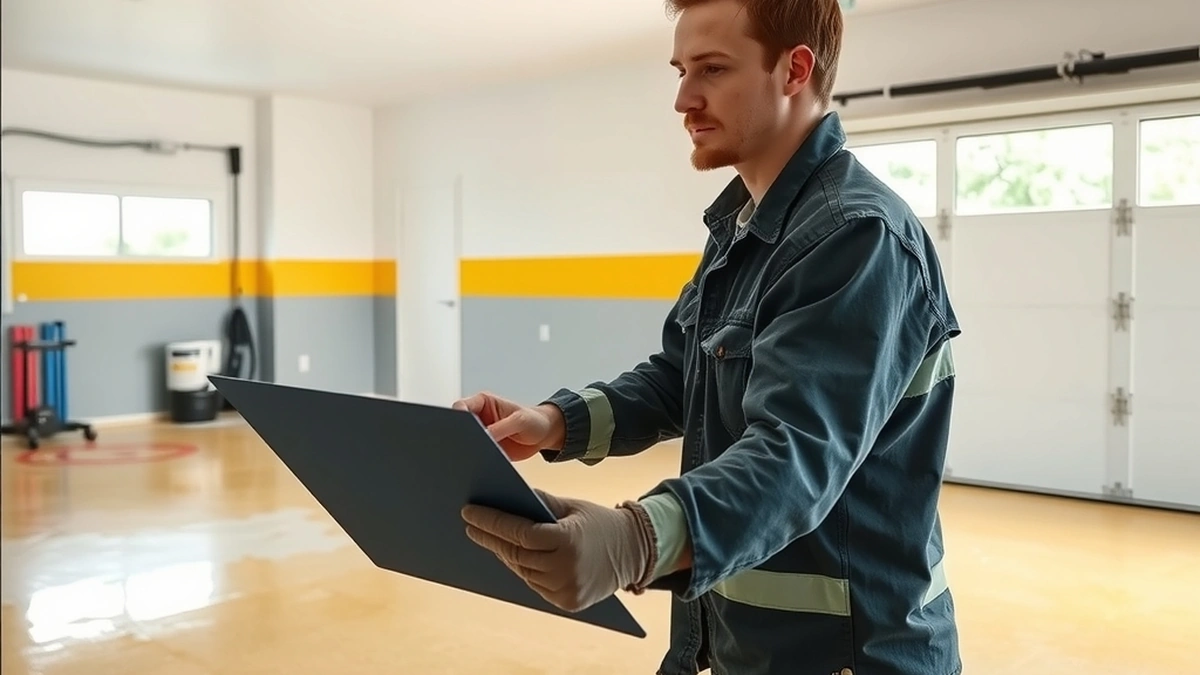
Expect to pay between $200 and $1,500 for a typical DIY fix, or $1,000 to $3,600 professionally, depending on how badly the surface is damaged and how much prep is required.
- Typical range
- Varies by system and site
- First step
- Measure the space and confirm the load
- Professional help
- Recommended for structural or electrical work
Some links on this page are affiliate links.If you buy through them we may earn a commission at no extra cost to you. We do not accept payment for rankings. Read the full disclosure.
Yellowing is one of the most common problems owners of epoxy garage floors face, and it can drastically change the appearance and value of your space. If you are wondering what a fix costs, the answer depends heavily on the extent of the damage, the product you choose, and whether you handle the prep yourself or hire someone else. A standard DIY repair might run you $3 to $7 per square foot, while a professional job will typically cost $5 to $12 per square foot. However, these base rates do not account for the hidden labor and materials required to actually fix the yellowing issue properly. Getting the right price requires looking past the sticker and understanding the true cost of prep, product, and execution.
Understanding the Root Causes
Before calculating costs, it helps to understand why the yellowing happens. Epoxy garage floors yellow primarily because ultraviolet radiation from sunlight breaks down the clear topcoat over time. Moisture is another major culprit; if water gets trapped beneath the epoxy during installation, it can cause the resin to turn yellow as it cures. Sometimes, poor concrete prep or high humidity during application leads to discoloration that won’t fully resolve without addressing the underlying substrate. In some cases, the original contractor used too much hardener, which can also lead to a permanent amber tint.
The Cost Breakdown by Product
The type of coating you use directly impacts your final bill. Here is an estimate of the base material cost per square foot for different systems:
| Coating System | Cost Per Square Foot | Notes |
|---|---|---|
| Epoxy Kit (DIY) | $3 – $7 | Cheapest option, requires skill |
| Professional Epoxy | $5 – $12 | Best value, includes labor |
| Polyaspartic System | $8 – $15 | Highly UV resistant |
| Metallic Epoxy | $10 – $20 | Premium aesthetic choice |
Each system requires a different level of surface preparation and curing time. Standard epoxy kits are highly affordable but lack UV protection, meaning you will likely see yellowing again within five years. Professional epoxy provides better longevity and comes with a warranty, while polyaspartic systems are the gold standard for resisting yellowing but come at a premium. Metallic epoxy is purely decorative and expensive, costing up to $20 per square foot just for the material.
Hidden Costs: Prep and Moisture Mitigation
Many homeowners assume the epoxy itself is the only expense, but the real costs start with preparation. To fix yellowing effectively, you must remove the old, degraded top layer. This means concrete grinding, which costs $1 to $3 per square foot. You will also need heavy-duty safety gear, such as respirators and goggles weighing several pounds, which adds to your personal expenses. If your floor has significant moisture issues, you will also need to install a moisture mitigation system, adding another $2 to $5 per square foot to your total bill. Skipping these steps often leads to rapid re-yellowing within a few years, meaning you will have to pay for the fix twice.
Calculating Your Repair Load
To get a realistic total cost, you need to calculate your specific repair load. Let’s assume you have a 12 by 24 feet section of yellowed garage floor, which equals 288 square feet. First, subtract the area of the patches you want to fix. For this example, we will use the full 288 square feet. Next, calculate the prep cost: $1 to $3 per square foot equals $288 to $864 for grinding. Add the moisture mitigation if needed: $2 to $5 per square foot equals $576 to $1,440. Finally, add your chosen coating cost. Using a professional epoxy system ($5 to $12 per square foot) on the remaining 288 square feet brings the total to $1,440 to $3,456. If you attempt this DIY using a kit ($3 to $7 per square foot), your total drops to $864 to $2,016, but you must factor in the cost of renting industrial grinders and buying safety gear.
DIY vs. Professional Comparison
Deciding between a DIY approach and hiring a professional depends on your budget and mechanical skills. A DIY epoxy kit runs $3 to $7 per square foot, making it attractive for small areas like a single workbench pad. However, professional epoxy installation costs $5 to $12 per square foot and includes the expertise needed to ensure proper adhesion and curing. For larger jobs or complex yellowing issues, the professional route is usually safer and more cost-effective over time. You can read more about the differences in our guide on how much does epoxy garage floor cost.
Preventing Future Yellowing
Once you have fixed the current yellowing, taking steps to prevent it is essential. Applying a UV-resistant topcoat or switching to a polyaspartic system can significantly extend the life of your floor. Regular maintenance, such as sweeping and occasional sealing, also helps keep the surface clear of dirt and debris that accelerates discoloration. If you are planning a new build, our article on epoxy garage floor installation can help you avoid these issues entirely. Addressing moisture early is the best defense against yellowing, so always test your concrete moisture levels before applying any coating.
Conclusion and Decision Guide
Ultimately, the cost of fixing yellowing varies based on your specific situation, but understanding the arithmetic helps you plan accurately. Whether you choose the lower end of the DIY spectrum or invest in professional services, ensuring your floor is properly prepped and protected is the key to avoiding future headaches. For those unsure where to begin, our repair guides provide the detailed breakdowns you need to make an informed decision. Taking the time to evaluate your specific repair load will prevent unexpected expenses and guarantee a durable result.
Next, compare how much does epoxy garage floor cost, epoxy garage floor installation, epoxy garage floor repair before you commit.
Frequently asked questions
What is the most important measurement?
Start with the ceiling or clearance number; it decides which systems can fit.
What does a typical project cost?
Costs vary by system and site access; the guide shows the line items and a planning range.
Can I install this myself?
Some tasks are DIY-friendly, but structural, electrical, and load-bearing work should be done by a licensed professional.
How long does installation take?
A simple setup is a weekend; a full build with electrical or structural work can take several weeks.
What should I check before buying?
Confirm dimensions, load ratings, and the manufacturer's installation requirements for your exact model.
Where can I find local help?
Ask a licensed contractor or installer who has worked with the same system and can inspect your site.
Sources
Some links are affiliate links.If you buy through them we may earn a commission at no extra cost to you. We do not accept payment for rankings. Read the full disclosure.