Epoxy reviews: which systems hold up
Epoxy reviews by system type: what owners of big-box kits, professional epoxy, polyaspartic and metallic floors report, and what the complaints really mean.
Epoxy reviews split by system, not by brand. Big-box kits at $3 to $7 per square foot draw complaints about peeling and hot tires; professional systems at $5 to $12 draw far fewer, and polyaspartic at $8 to $15 draws the fewest UV complaints. Prep explains most of the difference.
- DIY kit rate
- $3 - $7 per sq ft
- Professional epoxy
- $5 - $12 per sq ft
- Polyaspartic system
- $8 - $15 per sq ft
- Most reported issue
- Peeling from prep
Some links on this page are affiliate links.If you buy through them we may earn a commission at no extra cost to you. We do not accept payment for rankings. Read the full disclosure.
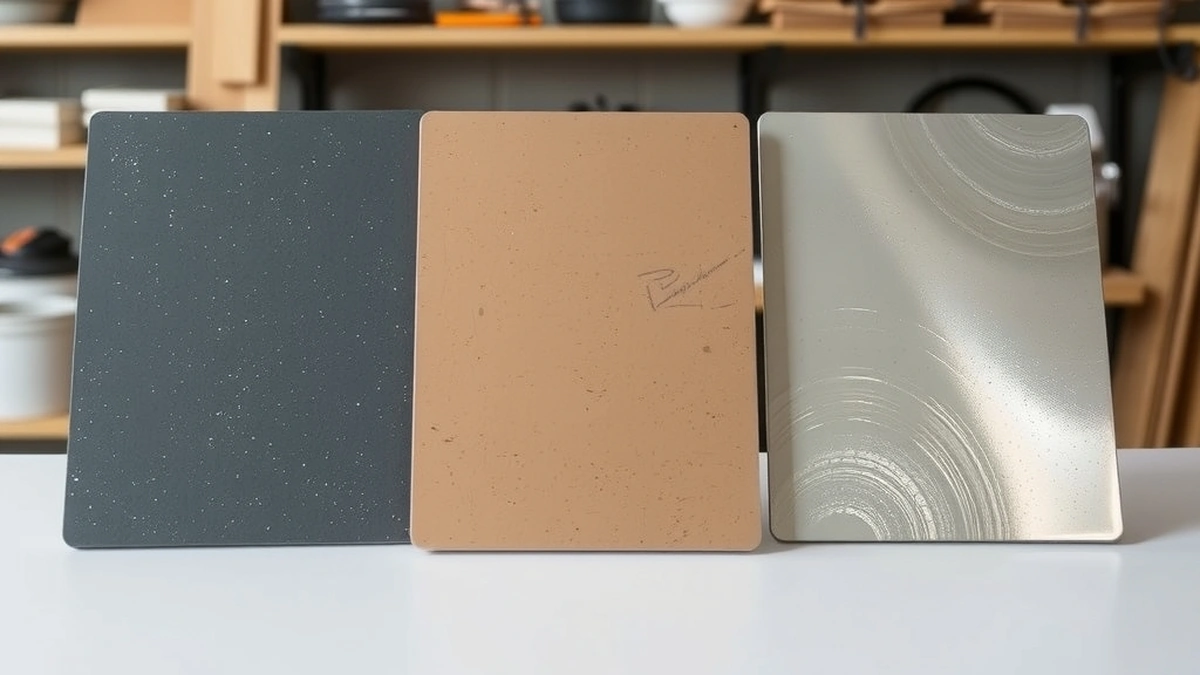
Epoxy reviews are more useful sorted by system than by brand. The recurring themes in owner reports line up almost exactly with the four price tiers: kits at $3 to $7 per square foot draw the most peeling and hot-tire complaints, professional systems at $5 to $12 draw far fewer, polyaspartic at $8 to $15 draws the fewest UV complaints, and metallic at $10 to $20 draws complaints about slab flatness rather than coating failure.
What an epoxy review is actually reviewing
An epoxy review is an owner’s account of a coating system applied to a specific slab under specific conditions, usually written without the details that would make it reproducible.
That is the central problem. The reviewer reports the outcome and omits the inputs: moisture reading, surface profile, film thickness, product line and cure conditions. Two reviews of the same product can describe opposite results because the slabs were different.
Sorting by system type fixes most of it. The price tier tells you what was likely installed, and the installation scope tells you what the reviewer probably skipped.
The four systems, by what owners report
| System | Rate | Praise in reviews | Complaint in reviews |
|---|---|---|---|
| Big-box water-based kit | $3 - $4 per sq ft | Easy, cheap, one weekend | Peeling, hot tires, thin finish |
| 100% solids kit | $4 - $7 per sq ft | Good build for DIY money | Mixing errors, short pot life |
| Professional epoxy | $5 - $12 per sq ft | Even finish, holds up | Cost, cure time, crew quality |
| Polyaspartic system | $8 - $15 per sq ft | Fast return, no yellowing | Price, little room for error |
| Metallic epoxy | $10 - $20 per sq ft | Unique finish, high impact | Shows slab flaws, hard to patch |
Read the table as a map of expectations rather than a ranking. Each system is reviewed against what it promised, and the complaints are usually about a promise the buyer inferred rather than one the seller made.
The big-box kit verdict
The entry-level kits are the most reviewed products in the category and the most misunderstood.
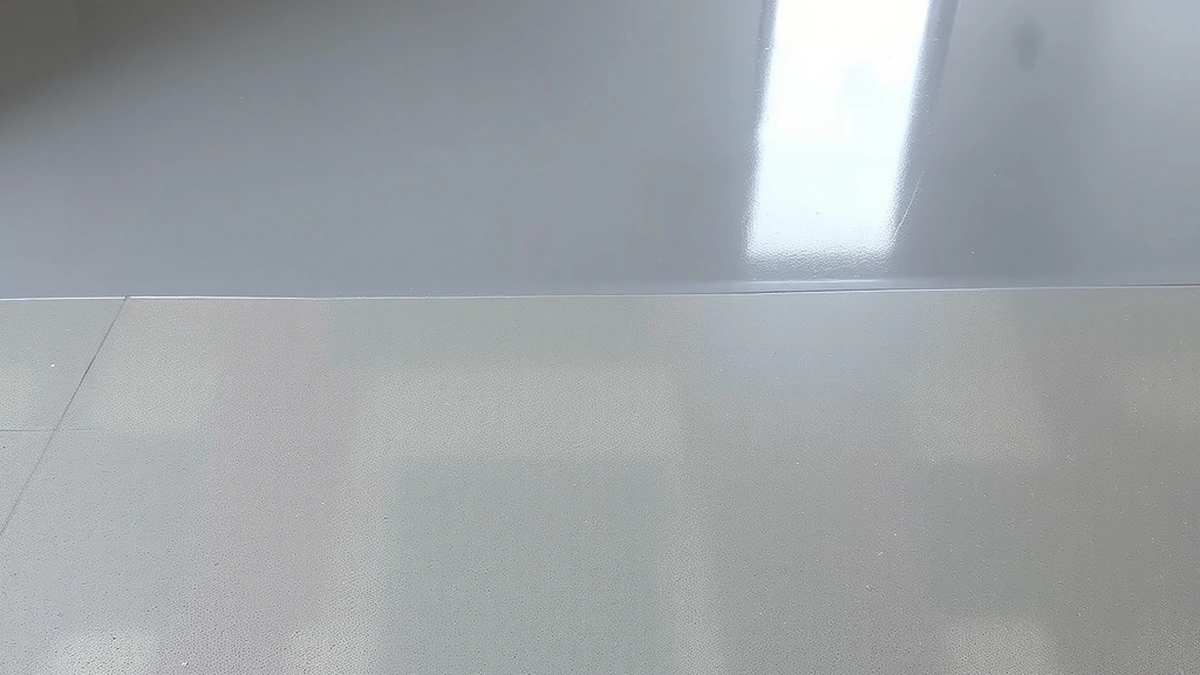
A water-based kit at $3 to $4 per square foot is a thin film over concrete that was probably cleaned and etched rather than ground. It looks good for a season. Then the reports start: coating lifting at the door, tire-shaped patches in the parking spot, a surface that scuffs white where a tool was dragged.
Those reports are accurate and they are not a scandal. The product did what a thin coating does. The mismatch is between a $3 per square foot product and an expectation set by photographs of $12 per square foot floors.
A 100% solids kit at $4 to $7 per square foot is the better DIY purchase. It builds a film thick enough to take a topcoat, it resists hot tires far better, and the complaints shift from failure to technique: pot life, mixing ratio, wet edges.
The professional epoxy verdict
Reviews of contracted installs are consistently more positive, and the reason is scope rather than resin.
A professional job at $5 to $12 per square foot includes grinding at $1 to $3 per square foot, a moisture test, patching and a topcoat. Those four items are exactly what the negative DIY reviews omit. When an owner pays for them, the failure rate in the review falls.
The complaints that remain are about the business rather than the chemistry: a crew that rushed the broadcast, a quote that grew after the slab was opened, a cure window that ran long. Those are worth reading closely if you are hiring, because they describe how a company behaves when the job gets difficult.
The polyaspartic verdict
Polyaspartic at $8 to $15 per square foot reviews well on the two things it is sold for: speed and UV stability.
Owners report a one-day install and a floor they could walk on the next morning. Clears stay clear where an epoxy topcoat would have ambered. The complaints are price and working time, and the second one is really an installer complaint: a fast cure leaves little margin for a slow crew.
If the floor faces the sun or the garage cannot be out of service for a week, the reviews support the premium. If neither applies, the same reviews suggest standard epoxy is the better value.
Metallic, and the slab problem
Metallic reviews are the most polarized, and the split is almost entirely about substrate.
On a flat, dry, ground slab, owners describe the finish as the reason they chose it. On a slab with a dip or a patch, the same product produces a floor where the pattern pools in the low spots and every repair is visible.
That is not a coating failure. It is a specification error, and it is the single most common theme in negative metallic reviews.
What separates a five-year floor from a one-year floor
The reviews converge on four build decisions, and none of them is brand loyalty.
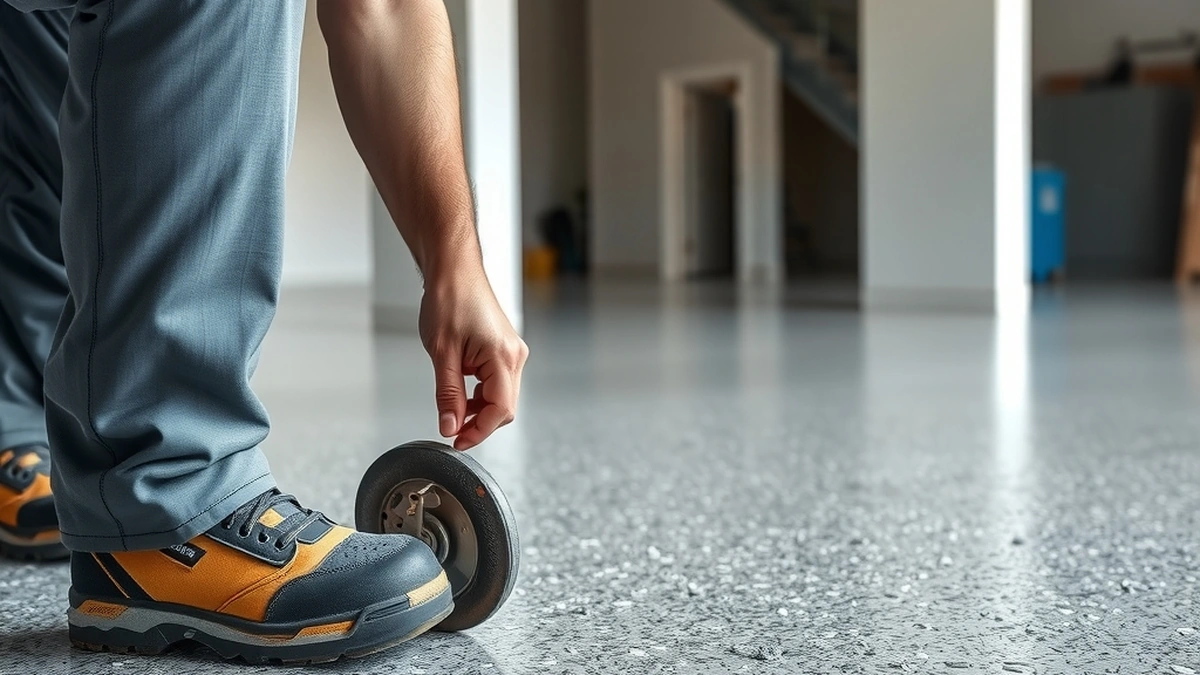
Grinding versus etching. Mechanical profile at $1 to $3 per square foot is the line that appears in every positive long-term report and is missing from most short ones.
Film build. A primer, base, broadcast and topcoat, each at the spread rate on the data sheet, rather than a single thick-looking coat.
Moisture testing. An in-situ relative humidity reading, not a plastic sheet, on any slab older than a few years.
Topcoat choice. A polyaspartic clear where UV or hot tires matter, at a system rate of $8 to $15 per square foot.
Spend the $400 to $1,200 that grinding costs on a 400 sq ft floor and the reviews stop being a gamble. That is $1 to $3 per square foot against a replacement at $5 to $12.
How to buy from reviews in five steps
- Filter by system, not by star rating. Read reviews for the tier you can afford, because a $3 kit and a $12 install are not competing products.
- Look for time in service. A review written after three winters is worth ten written in the first month.
- Search the failure words. Peeling, bubbling, lifting, yellowing, slick. Each one tells you which stage failed.
- Check whether the reviewer ground the slab. If not, the review describes prep, not product.
- Ask a contractor for two addresses. A finished floor you can walk on beats any number of reviews.
For head-to-head system picks, best epoxy floor and best epoxy garage floor rank by use case. Epoxy floor reviews explains how to read the complaints in detail, and polyaspartic reviews covers the fast-cure tier on its own.
If you are comparing two epoxy products rather than two systems, epoxy vs epoxy breaks down what actually differs between them.
Frequently asked questions
Which epoxy floor brand gets the best reviews?
Brand rankings are unreliable because most reviews describe an installation, not a product. The system type and the prep method predict satisfaction better than the label on the can.
Are cheap epoxy kits worth buying?
For a utility room or a shed, yes. For a garage with daily traffic, the thin water-based kits are the systems most often described as peeling or wearing through within a few years.
Do professional epoxy floors get better reviews than DIY?
Consistently, and mostly because of prep. A contractor grinds the slab, tests moisture and applies a topcoat; a typical DIY kit project skips at least one of those steps.
What do polyaspartic reviews complain about?
Cost and short working time, not performance. Owners report less yellowing and faster return to service, and installers report that the fast cure leaves little room for error.
Are metallic epoxy reviews positive?
Owners who had a flat, dry slab and a skilled installer tend to be very positive. The negative reports cluster around slabs that were not flattened, where the pattern highlights every dip.
How many years should an epoxy floor last according to reviews?
Reports vary too widely to average, because the systems differ. A thin kit and a full broadcast system with a topcoat are both called epoxy, and they do not have the same service life.
Sources
Some links are affiliate links.If you buy through them we may earn a commission at no extra cost to you. We do not accept payment for rankings. Read the full disclosure.